
Browse Articles
27 articles
Qwen3.8 27B is a dense open-weight vision-language model with 262K context, tool use, flexible reasoning, and a practical price for serious workflows.
ChatGPT offers the most polished OpenAI experience. Poly lets the intelligence change as the work changes. Here is the honest difference.
Seedream 5 Pro focuses the new family on refined generation, image editing, and reference-led creative work when the selected frame needs more care.
Seedream 5 Lite brings fast 2K and 4K image generation, multi-image batches, and reference-driven workflows to Poly at a lower per-image price.
ByteDance's Seedream 5 family arrives on Poly with a Pro model for refined generation and editing and a Lite model built for fast 2K and 4K output.
Google's Gemini 3.7 Flash brings multimodal input, mandatory reasoning, strong coding performance, and a one-million-token context window to Poly.
Perplexity is exceptional at sourced research. Poly is built to carry the work beyond the answer. Which approach fits your workflow?

Anthropic's Claude 5 generation pairs a faster Sonnet with a verification-focused Opus. Here is how the two models differ and where each fits.
Google's July Flash refresh gives teams two distinct routes: stronger general-purpose work with Gemini 3.6 Flash or maximum throughput with 3.5 Flash-Lite.

Grok 4.5 combines a 500K context window, multimodal input, tool use, and a focus on fast coding and agent workflows. Here's where it fits.
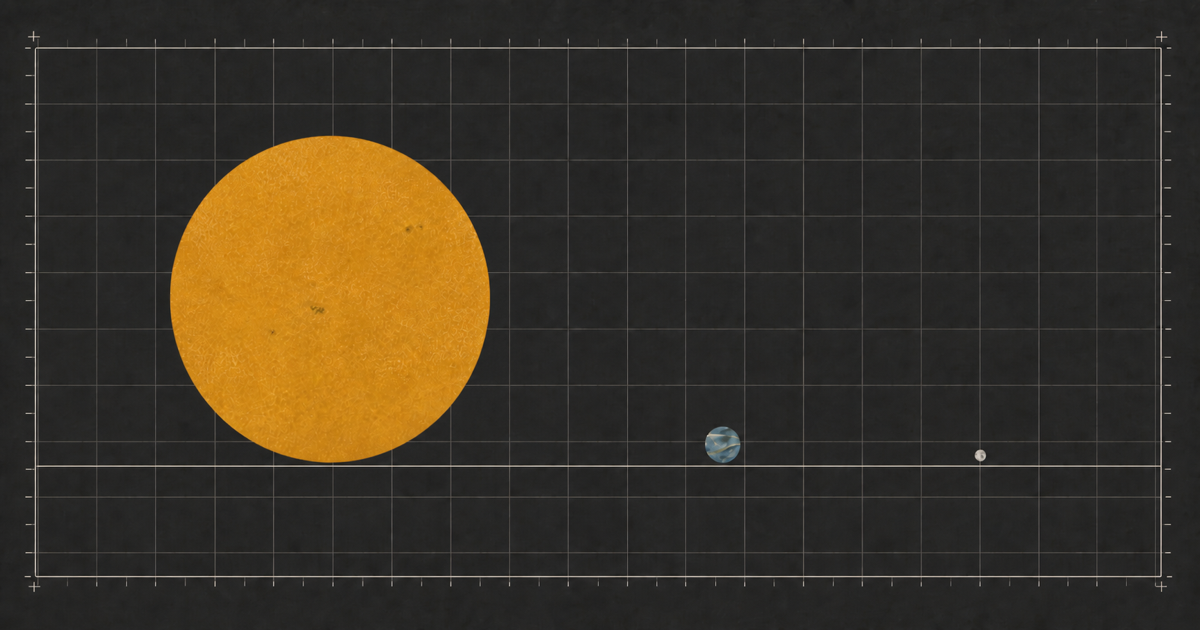
OpenAI's GPT-5.6 release introduces three models for three budgets. Here is when to use Sol, Terra, or Luna and what changes on Poly.
Poly and Chatly both offer multiple models, AI slides, and image generation. The real difference is how each product organizes the work.
GLM-5.2 from Z.ai is being treated as the strongest open-weight coding model in the Claude Fable conversation. On WebDev and Design Arena leaderboards, Fable still sits above it, but if Fable is excluded, GLM-5.2 becomes the model developers are actually excited to use in Claude Code, OpenCode, Cline, and Roo Code.
T3 Chat is fast, focused, and inexpensive. Poly costs more because it is designed to carry deeper work across models and outputs.

Claude Fable 5 is Anthropic's highly anticipated Mythos-class model for autonomous knowledge work, complex coding, and long-running tasks. Explore its 1M context window, pricing, capabilities, and availability on Poly.
Poe offers an enormous bot ecosystem and flexible usage. Poly offers a more focused workspace for carrying serious work across models.
Claude is a superb focused environment for writing, coding, and long-form work. Poly gives you Claude alongside other models when the work calls for a different point of view.

Poly Memory is now live. Import long-term context from another provider, use it across chats, and delete entries whenever you want.

Google just dropped Nano Banana 2 (Gemini 3.1 Flash Image), combining the Pro model's intelligence with Flash-level speed. Here's what changed, what it means for creators, and when you'll find it on Poly.

Poly just launched presentation generation powered by Mosaic 1.1, our in-house model built specifically for slides. Describe your topic, your audience, your goal and get a fully structured, editable deck in seconds.

A hands-on comparison between ChatGPT Plus (GPT-5.2) and Claude Pro (Opus 4.6) across real-world tasks writing, coding, research, and more.

Anthropic released Claude Opus 4.6 with a 1M token context window, adaptive thinking, and record-breaking coding performance. Here's what actually improved and whether you should upgrade.

ChatGPT isn't the only option anymore. From multi-model platforms to specialized tools, here's an in-depth look at the 7 best AI chatbots that could work better for your specific needs.
Token costs are just the beginning. Hallucinations, retry cycles, energy consumption, and opportunity costs compound into expenses that traditional pricing models don't capture. Here's what actually matters when evaluating LLM efficiency.
The AI landscape is fragmented. Different subscriptions, separate platforms, inconsistent interfaces. Poly consolidates GPT-5, Claude 4, Gemini 2.5, and 30+ frontier models into a single, accessible platform.

Different AI models demonstrate distinct performance characteristics across tasks. Understanding these differences matters for practical applications from code generation to content creation.
Relying on a single AI model introduces systematic blind spots. Multi-model access isn't about convenience it's about avoiding the limitations inherent in any individual system.